

The car is handed over, the keys are gone and for many dealerships the relationship ends right there. Yet most of the value shows up after the sale. A happy buyer brings the next deal, the referral and the next service visit. A dealer who stays in touch after the sale earns the next purchase.
This guide explains why the weeks after handover decide repeat business. It shows what a simple follow up routine looks like. And it explains what role your own website plays. The steps are small enough that one person can run them.
Why contact after the sale decides the next deal
Most dealers pour their energy into new enquiries. The buyers who already signed slip out of view. That is expensive. A new enquiry costs ad budget every time. An existing customer, by contrast, already knows you and trusts your team.
That trust makes the second sale easier than the first to a stranger. But a one time buyer becomes a regular only with a deliberate reason to reach out. Contact after the sale is therefore not a nice extra. It is real money. Here is an everyday example. A family buys a Honda Civic. Then they hear nothing for two years. For the next car they end up at another dealer who kept in touch. The first dealership had the better relationship. It simply let it sit. Over the years the same customer often spends more than on the first car. Service, tires, accessories and the next vehicle add up. A dealer who stays in touch captures exactly that value.
Make the first weeks after handover count
Right after handover, satisfaction is at its peak. That is exactly when silence feels like indifference. A short call after a few days works wonders. It shows the buyer they were not forgotten the moment they signed. Ask whether everything is fine with the car. Ask whether the registration went smoothly and whether any paperwork is missing.
What matters is that this first contact is planned. Otherwise it gets buried in daily work. Write down what the customer tells you. The next deals are often hidden there. When a salesperson calls a week after pickup, they may hear about a second car. If they note that it is due in two years, the next appointment is practically booked.
How this works in practice
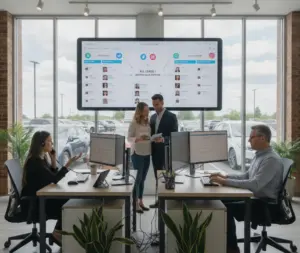
This is exactly what the CarSyncPro WordPress plugin keeps together, as a clear history per customer. Who bought which car, when the first service is due and what wish came up last all sit in one place on your own website. Loose sticky notes turn into a routine that no buyer slips through.
Service and seasonal visits keep customers in the house
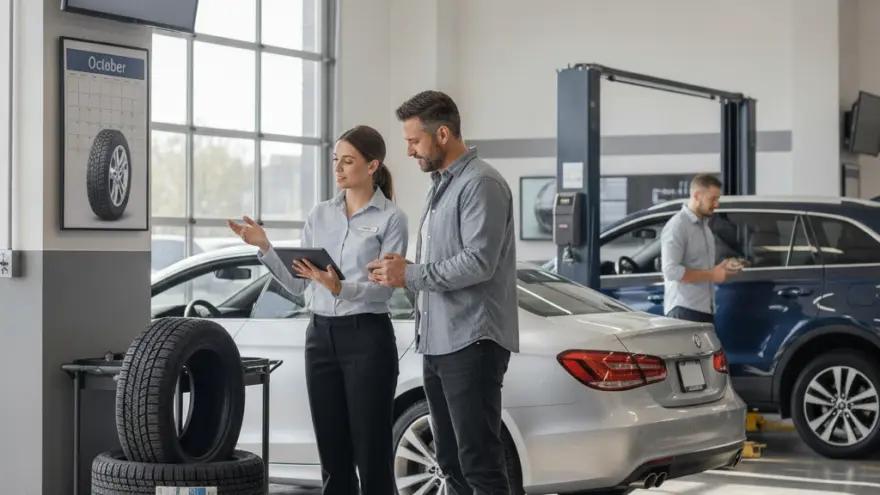
After the sale, service loyalty drifts away fast. It moves to the cheapest nearby shop as soon as the dealer goes quiet. Yet every service appointment is a reason for contact. And it is revenue you would otherwise give away. Reminders about the first inspection keep the customer with you. The same is true for the state inspection or the seasonal tire change.
These dates are easy to plan ahead. They follow from the purchase date and the mileage. For example, a reminder about winter tires in October brings the customer in. During the chat the advisor mentions the market for their model. It is strong right now, so a trade in could pay off. A routine visit becomes the first step toward the next sale. A second example shows the same lever. A customer comes in for an oil change and learns the state inspection is due soon. The shop handles both in one appointment. The customer saves time and is glad to stay with you.
Reviews and referrals come from satisfied buyers
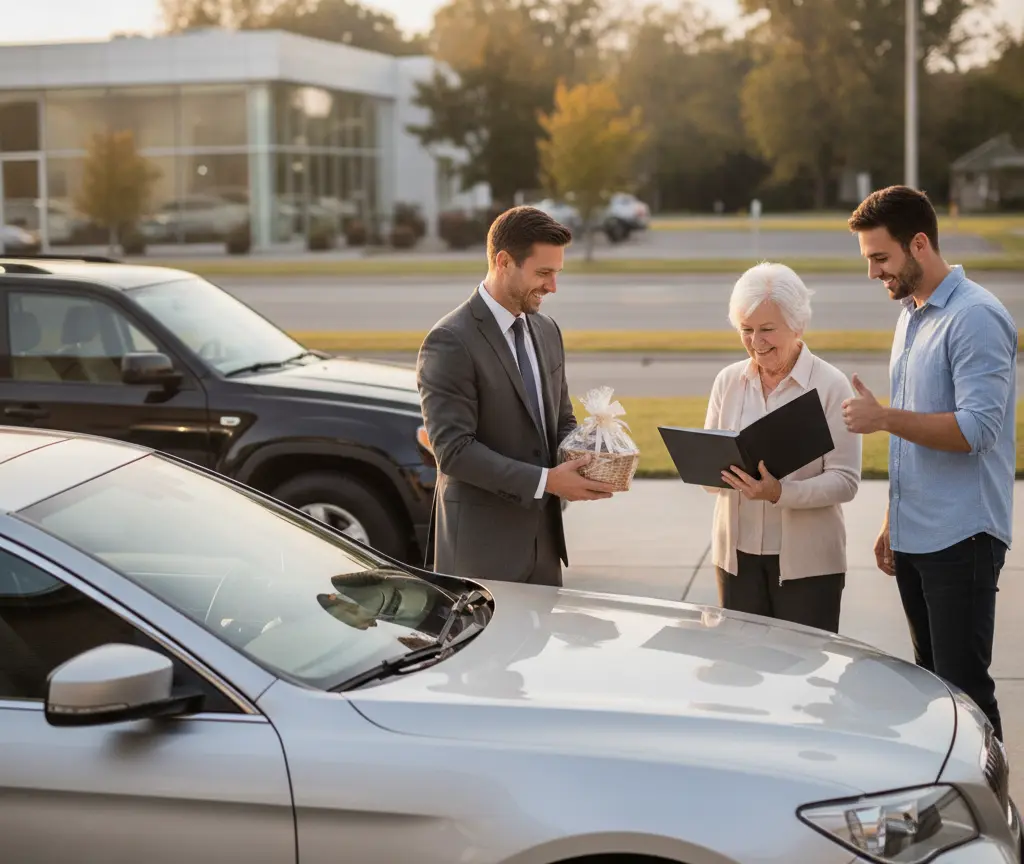
A happy customer will recommend you. But usually only after a small nudge. Many dealers never ask for a review. Then they wonder why so little shows up online. Yet a solid Google review often convinces the next searcher more than any ad. It comes from a real buyer. The same goes for a word of mouth tip among friends or coworkers. A single happy buyer often brings the next prospect. That costs you nothing in advertising.
The right moment is shortly after handover. The joy of the new car is still fresh then. Make it easy for the customer. A direct review link works better than a long explanation. You should use that momentum. To turn it into new referrals without being pushy, see the linked article.
Why your own website is the anchor for contact after the sale
Many run contact after the sale through other marketplaces. When the platform changes its rules, the data is gone. On your own website the customer relationship belongs to you. It runs from the first visit through the vehicle page to the enquiry. And it runs well beyond that. This is the ground reliable after sale care stands on.
There is also an effect that often gets overlooked. The CarSyncPro WordPress plugin creates your own vehicle pages. These pages stay visible on Google. They bring new buyers while you care for the existing ones. So the website works on two fronts. It keeps today’s customers and wins the next ones.
From the field
A dealership kept caring for its buyers after handover. At the same time it put its stock online as its own vehicle pages with the CarSyncPro WordPress plugin. About ten enquiries a month used to come in. The pages now indexed by Google brought roughly fifty to a hundred direct enquiries depending on the period, on top of the returning regulars. The plugin made the difference, because only the dealer’s own findable pages made the cars visible to Google. It is not a promise, but the leverage is clear.
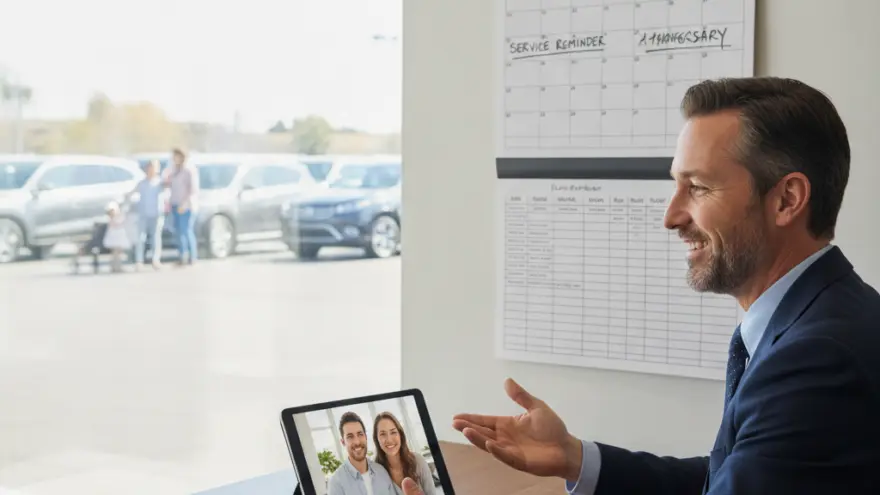
Build a routine after the sale and avoid the common mistakes
Know the common mistakes
The most common mistake is the impersonal mass email to everyone on the list. It feels generic and lands in the trash. Just as damaging is the opposite. The dealer never reaches out and hands the customer to a rival. Another mistake is the lack of an overview. If you do not record who bought which car, you cannot remind them at the right moment. Contacting too often grates as well. To bring a buyer back for the next service visit, see the linked article.
Start in three steps
You do not need a big system. Three fixed touchpoints are enough at the start. The first is a call in the first week. The second is a reminder before the first service. The third is a contact around the first anniversary. What matters is that these points run the same way for every buyer. Begin with the customers from the last twelve months. That is where the effect shows fastest.
Start with a list of the last twelve months
Pull every buyer from the last twelve months into a simple list. Add the purchase date, the vehicle and the next sensible reason to reach out per person. This single list is your launch pad for every further step. It shows at a glance who deserves a call next.
Conclusion
The sale is not the end of the relationship. It is the start. A dealership that keeps contact after the sale turns one time buyers into regulars. It earns referrals and secures the service work. The effort is small and the payoff grows over years. A simple, fixed routine is enough. It just has to run on a foundation that belongs to you. The CarSyncPro WordPress plugin brings vehicle pages, enquiries and the per customer history together on your own website. So after sale care does not depend on someone else’s platform. Start with a short list and one call this week. And that is how today’s sale earns the next one.
Sources
- Cox Automotive, market insights and car buyer studies for the US market.
- National Automobile Dealers Association, dealership data and guidance for US dealers.
- Google Search Central, how Google Search works, crawling and indexing.
Frequently Asked Questions
Why is contact after the sale so important?
A happy buyer already knows you and trusts your team. The second sale, the service work and the referral cost far less effort than winning a new enquiry through paid reach.
When should I reach out for the first time after handover?
Ideally a few days after pickup, while the joy of the new car is still fresh. A short call is enough. It tells you whether everything is fine and cements the first impression.
How often can I contact a buyer without being annoying?
A few clearly justified reasons work better than frequent ads. A call in the first week, a reminder before the first service and a contact on the anniversary make a good frame.
Where do I start if I do nothing today?
Pull every buyer from the last twelve months into a simple list with the purchase date and the vehicle. Use that list to plan the first calls and build a routine step by step.
Is follow up worth it for a small dealership?
Especially there, because a small team lives on regulars and referrals. Three fixed touchpoints per buyer are doable without expensive software and pay off quickly.
How do I get more Google reviews from buyers?
Ask in person shortly after handover and make it easy, for example with a direct link. The right moment and a low barrier matter more than any reminder campaign.
What does my website have to do with after sale care?
On your own website the customer relationship and its data belong to you. The CarSyncPro WordPress plugin keeps vehicle pages, enquiries and the per customer history together, so after sale care does not depend on someone else’s platform.